
"global coffee supply"
600 article(s) found

Global coffee culture Coffee culture in Europe
In Europe, coffee culture can be said to be a very mature form of culture. from the entry of coffee into this continent to the emergence of the first coffee shop in Europe, coffee culture is developing at an extremely rapid speed, showing extremely exuberant vitality. In Vienna, Austria, coffee, music and waltz dance are also called the three treasures of Vienna, which shows the far-reaching significance of coffee culture. Care a lot.

China wants to export coffee to become a major global coffee production base
China's coffee production and consumption China believes it has enough strength to compete with the world's two largest coffee producers: Brazil and Colombia, which produce 5.12 million bags and 1.25 million bags (60kg each), respectively. These two countries account for more than 50% of global coffee production. Vietnam in Asia relies on the cultivation of robusta coffee (robusta).
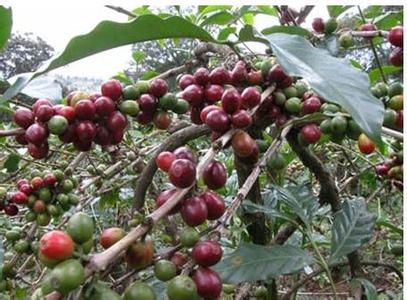
Research says wild coffee beans will become extinct in the future if global warming continues
According to reports, researchers say that due to rising temperatures and rampant pests and fungi, it is estimated that the number of farmland suitable for growing coffee trees will be halved by 2050. Once the coffee trees disappear, it is bound to have a severe impact on the 120 million people around the world who depend on coffee beans for their livelihood, many of whom live in the world's poorest countries. At present, coffee beans are produced in 70 countries in the world, and coffee industry is one of them.

How to drink coffee in Bolivia
Professional coffee knowledge exchange More coffee bean information Please pay attention to Coffee Workshop (Weixin Official Accounts cafe_style) Although Bolivia's coffee business development began in the 1920s, the country's contribution to the global coffee supply today is minimal. About 95 percent of Bolivia's coffee is produced in Yungas, a fertile region on the eastern slope of the Andes, La Paz.

Is it Robusta or Arabica? Coffee bean variety Guatemala Vivetnam fruit production
Global coffee bean tree species are mainly divided into: Arabica and Canephora, of which Arabica coffee beans account for more than 100 coffee varieties of 70%80%coffee. The more common coffee varieties are: Arabica Arabica, with outstanding personality and unique flavor, is the main force of boutique coffee, mainly used in coffee shop management and high-end coffee market supply; Robsta

[information] the global coffee market continues to be under pressure on the price estimate of coffee surplus for two years.
Professional coffee knowledge exchange more coffee bean information Please follow Coffee Workshop (official account Wechat cafe_style) International Coffee Organization (International Coffee Organization, ICO) said in its monthly report that the global coffee market is expected to show oversupply for the second year in a row, but the surplus is smaller than that of the previous year. The report expects the whole of this year

Brazil's coffee exports soar in the new season global coffee exports increased by 3.7% compared with the same period last year.
Professional coffee knowledge exchange more coffee bean information follow coffee workshop (Wechat official account cafe_style) International Coffee Organization (ICO) said on February 24th that the global coffee export volume of 10.21 million bags (60 kg / bag) in January 2021 decreased by 3.6% compared with 10.59 million bags in the same period. However, the total export volume of 4188 bags in the first four months of the 21st quarter (October of each year to September of the following year) is the same as that of the same as that of the same.

History of the International Coffee Organization
In the 19th century, coffee became an important commodity in the international trade market. For a long time after that, the coffee market was often in a state of oversupply, low prices, and occasional price increases in short supply, but for a short period of time. During the economic crisis of the 1930s and during World War II (1939-1945), the coffee market supply
The trade pattern of raw coffee beans is changing, with both challenges and opportunities.
The translator said that when we are still arguing about which coffee shop has better coffee, when we are still despising each other for whose flower drawing technology is better, while we are still boasting about baking technology, don't forget who created the coffee. Maybe at the moment you are still worrying about what to eat for lunch, but you know, there are still some people in the world, he

The negative impact of the fluctuation of Futures Price in Coffee Bean Market on the Coffee Industry chain
Professional coffee knowledge exchange more coffee bean information please follow the coffee workshop (Wechat official account cafe_style) recently, fluctuations in the raw coffee bean market have made participants in the entire coffee supply chain nervous. On the face of it, the rise in coffee prices bodes well for farmers. But this is not the case. The soaring and fluctuating price of coffee is not the case for many cooperatives and small coffees.

Taste region │ South America ─, the largest coffee producing region in the world
Professional barista communication please follow the coffee workshop (Wechat official account cafe_style) do you know? South America is the largest coffee producing area in the world. While people focus on production, in fact, there are more environmental issues to pay attention to. The world's largest total output refers to the number one producing area in the coffee industry, and there is no doubt that it is South America and Brazil. Its coffee output is about

Starbucks cold iced coffee: savoring the beauty of ingenuity
Soak in cold water below 5 degrees and slow extraction for more than 20 hours
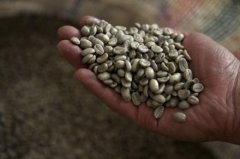
The price of coffee and raw beans fell sharply in 2018, reaching a new low of 10 years.
Professional coffee knowledge exchange more coffee bean information follow Coffee Workshop (Wechat official account cafe_style) as traders withdraw from commodity markets in search of safer assets, sugar and coffee prices have fallen to their lowest level in more than a decade. Sugar futures on the Interstate Futures Exchange fell 1.17% to 10.18 cents a pound on Friday, the lowest closing level since June 2008.

Global coffee production Ethiopia coffee production
The coffee tree originated in Ethiopia, where it was originally a wild plant, and the name coffee comes from the Ethiopian town of Kaffa. Humans probably knew how to cultivate coffee trees as early as the 9th century. Ethiopia's coffee growing area: Ethiopia's many coffee trees are still wild plants, this coffee tree grows coffee particles full

Fragrant new industries
[One Belt and One Road Cooperation and Win-win] Chongqing, which does not produce a single coffee bean, is getting bigger and bigger. In 2016, Chongqing Coffee Trading Center was established to establish a coffee industry out of nothing in the mountain city. Behind this coffee bean is the reorganization and renewal of Chongqing global industrial chain and the change of supply chain between the Belt and Road Initiative and the Yangtze River Economic Belt. Small coffee beans, all in.

Global coffee producing area-Ethiopia
The coffee tree originated in Ethiopia, which was originally a wild plant here. The name "coffee" comes from the Ethiopian town of "Kaffa". Humans may have known how to grow coffee trees as early as the 9th century.

How much is the top coffee bean? How much is a jin of coffee beans of good quality
Professional coffee knowledge exchange more coffee bean information please follow the coffee workshop (Wechat official account cafe_style) how much is the price of coffee beans per jin? At present, the market price of the more common coffee beans on the market is generally about 18 to 20 yuan per jin, while the coffee beans bought in Starbucks can buy about 100 yuan for half a catty. The price of coffee beans in Beijing is higher than that of Starbucks.

An introduction to the History of Nicaraguan Coffee
Nicaraguan coffee history introduces that Nicaragua began to grow coffee in the late 1800s, but it was not until the mid-19th century that it became an important export product. The increase in global demand for coffee (especially from North America) and the decline in supply in the Pacific islands have led to the steady development of the coffee market here. Around this time, the first batch appeared in the Managua region.

History of International Coffee Organization
In the 19th century, coffee became an important commodity in the international trade market. For a long time after that, the coffee market was often in a state of oversupply, low prices, and occasional price increases in short supply, but for a short period of time. During the economic crisis of the 1930s and during World War II (1939-1945), the coffee market supply

Climate change affects coffee production. 25 million coffee farmers' livelihoods are threatened.
A coffee farmer in the Mexican state of Chiapas recently talked about drastic climate change in an interview with Alicia Frank, a researcher at the University of California. In the past, there was usually only mild drizzle, but now there are frequent torrential rains, causing coffee trees to flood. These problems are by no means confined to Mexico. In South America, Asia and Africa, droughts and storms caused by global warming